Where Care Happens: Learning Alongside Our Frontline Teams
Featuring Amalia McClurkin, The Denver Hospice Admission Coordinator II
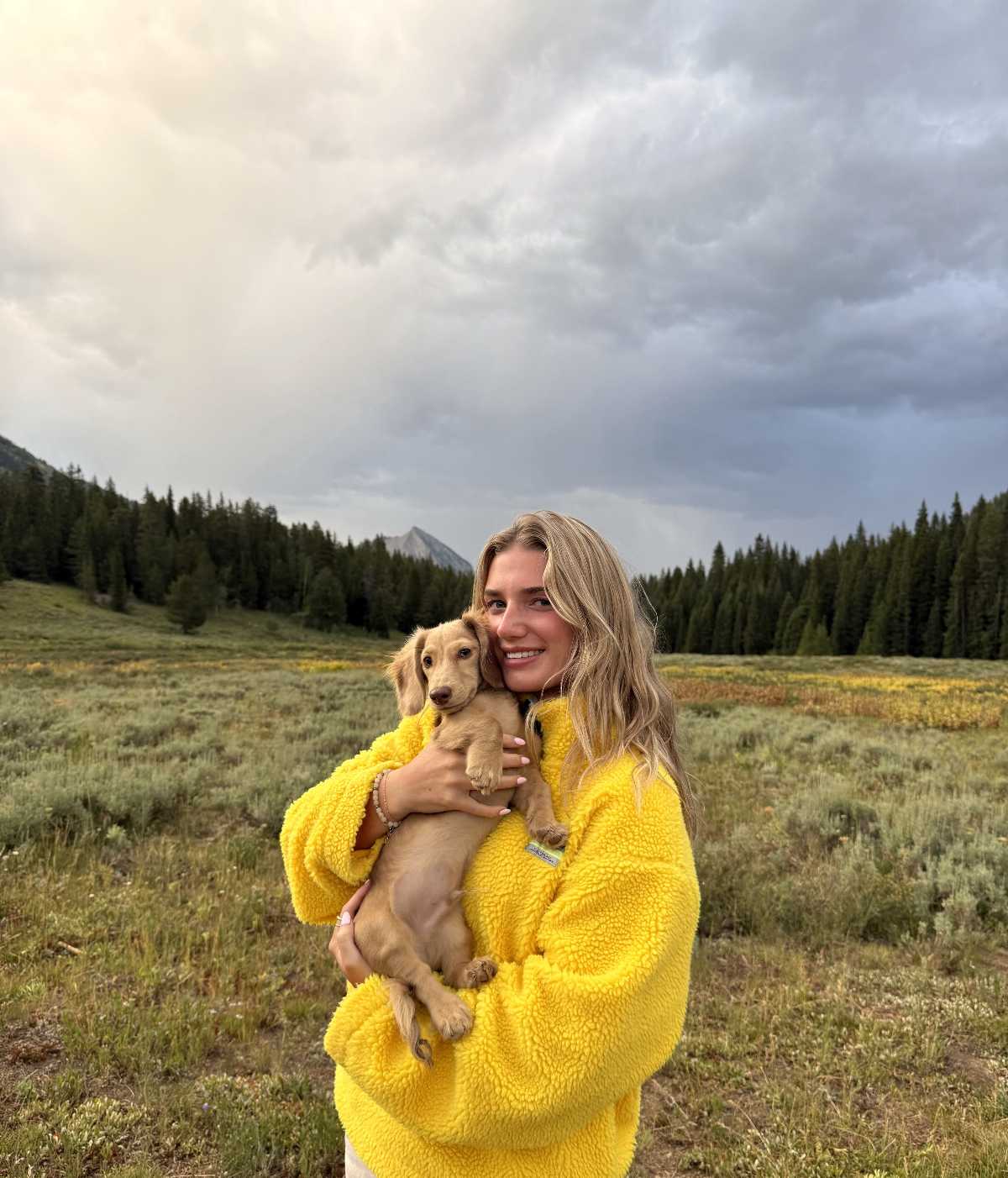
At Care Synergy, some of the most valuable insights into how we deliver care come from the people closest to it.
As part of an ongoing effort to better understand and support our frontline teams, Dr. Emily Guth, Care Synergy's Chief Operating Officer, is spending time alongside team members in the field. Through these experiences, she is learning more about what their days look like, what is working well, where they encounter barriers, and what we can learn from their experiences as we continue to strengthen our clinical operations.
Where Care Happens: Learning Alongside Our Frontline Teams is a series dedicated to recognizing the people who make compassionate, patient-centered care possible every day. The focus is not on the shadowing experience itself, but on the knowledge, perspective, dedication, and compassion our frontline teams bring to their work.
Each story offers a glimpse into the people and places behind the care we provide — and the lessons we can carry forward as an organization.
Because when we listen to the people closest to the work, we learn how to better support our teams, improve our processes, and ultimately serve our patients and families even better.
Learning from the people closest to the care we provide.
One of my priorities as Chief Operating Officer is to spend time alongside our frontline team members, gaining a deeper understanding of the work they do every day, celebrating what is working well, and identifying opportunities to better support them.
My shadowing experience brought me alongside Amalia McClurkin, The Denver Hospice Admission Coordinator II, during a home EOS visit. It was a meaningful reminder of what patient-centered care truly looks like.
Compassion in Action
Throughout the visit, I was struck by Amalia's compassion, thoughtfulness, and ability to navigate a deeply personal conversation with both the patient and their family member.
What stood out most was how consistently she brought the conversation back to the patient's wishes. Rather than focusing solely on the hospice process, Amalia created space for the patient and family member to ask questions, understand their options, and make decisions that aligned with what mattered most to the patient.
She thoughtfully explained hospice services, reviewed the process, and provided the appropriate information and documentation, all while ensuring the patient remained at the center of the conversation.
It was a beautiful example of honoring each patient's individual journey.
The "Why" Behind the Work
At the end of our time together, I asked Amalia a question I hope to ask every team member I shadow: "What is your why?"
Her response reflected the compassion I had witnessed throughout the visit. She shared that she values the opportunity to have meaningful conversations with patients and their family members, understand their wishes for the end of their life journey, and help them navigate what can be an incredibly difficult and emotional time.
For Amalia, it's about ensuring patients and their family members feel heard, supported, and respected throughout the journey, while honoring the patient's individual wishes and decisions.
What I Learned
Experiences like this reinforce why spending time with our frontline teams is so important.
My vision is to create an environment where our team members feel supported, empowered, and equipped to provide exceptional care. That starts with listening to those closest to the work.
As we prepare for our new electronic medical record (EMR) implementation - myUnity, these experiences provide invaluable insight into how care is actually delivered, where workflows create challenges, and how we can simplify processes so our team members can spend more time focused on patients and families.
I'm grateful to Amalia for welcoming me into her day and, more importantly, for the compassion and respect she brings to every patient and family interaction.
This is where care happens, and where some of our most important learning begins.
Go Back As part of an ongoing effort to better understand and support our frontline teams, Dr. Emily Guth, Care Synergy's Chief Operating Officer, is spending time alongside team members in the field. Through these experiences, she is learning more about what their days look like, what is working well, where they encounter barriers, and what we can learn from their experiences as we continue to strengthen our clinical operations.
Where Care Happens: Learning Alongside Our Frontline Teams is a series dedicated to recognizing the people who make compassionate, patient-centered care possible every day. The focus is not on the shadowing experience itself, but on the knowledge, perspective, dedication, and compassion our frontline teams bring to their work.
Each story offers a glimpse into the people and places behind the care we provide — and the lessons we can carry forward as an organization.
Because when we listen to the people closest to the work, we learn how to better support our teams, improve our processes, and ultimately serve our patients and families even better.
Learning from the people closest to the care we provide.
One of my priorities as Chief Operating Officer is to spend time alongside our frontline team members, gaining a deeper understanding of the work they do every day, celebrating what is working well, and identifying opportunities to better support them.
My shadowing experience brought me alongside Amalia McClurkin, The Denver Hospice Admission Coordinator II, during a home EOS visit. It was a meaningful reminder of what patient-centered care truly looks like.
Compassion in Action
Throughout the visit, I was struck by Amalia's compassion, thoughtfulness, and ability to navigate a deeply personal conversation with both the patient and their family member.
What stood out most was how consistently she brought the conversation back to the patient's wishes. Rather than focusing solely on the hospice process, Amalia created space for the patient and family member to ask questions, understand their options, and make decisions that aligned with what mattered most to the patient.
She thoughtfully explained hospice services, reviewed the process, and provided the appropriate information and documentation, all while ensuring the patient remained at the center of the conversation.
It was a beautiful example of honoring each patient's individual journey.
The "Why" Behind the Work
At the end of our time together, I asked Amalia a question I hope to ask every team member I shadow: "What is your why?"
Her response reflected the compassion I had witnessed throughout the visit. She shared that she values the opportunity to have meaningful conversations with patients and their family members, understand their wishes for the end of their life journey, and help them navigate what can be an incredibly difficult and emotional time.
For Amalia, it's about ensuring patients and their family members feel heard, supported, and respected throughout the journey, while honoring the patient's individual wishes and decisions.
What I Learned
Experiences like this reinforce why spending time with our frontline teams is so important.
My vision is to create an environment where our team members feel supported, empowered, and equipped to provide exceptional care. That starts with listening to those closest to the work.
As we prepare for our new electronic medical record (EMR) implementation - myUnity, these experiences provide invaluable insight into how care is actually delivered, where workflows create challenges, and how we can simplify processes so our team members can spend more time focused on patients and families.
I'm grateful to Amalia for welcoming me into her day and, more importantly, for the compassion and respect she brings to every patient and family interaction.
This is where care happens, and where some of our most important learning begins.