Why Hospice Volunteer Training and Orientation Matter
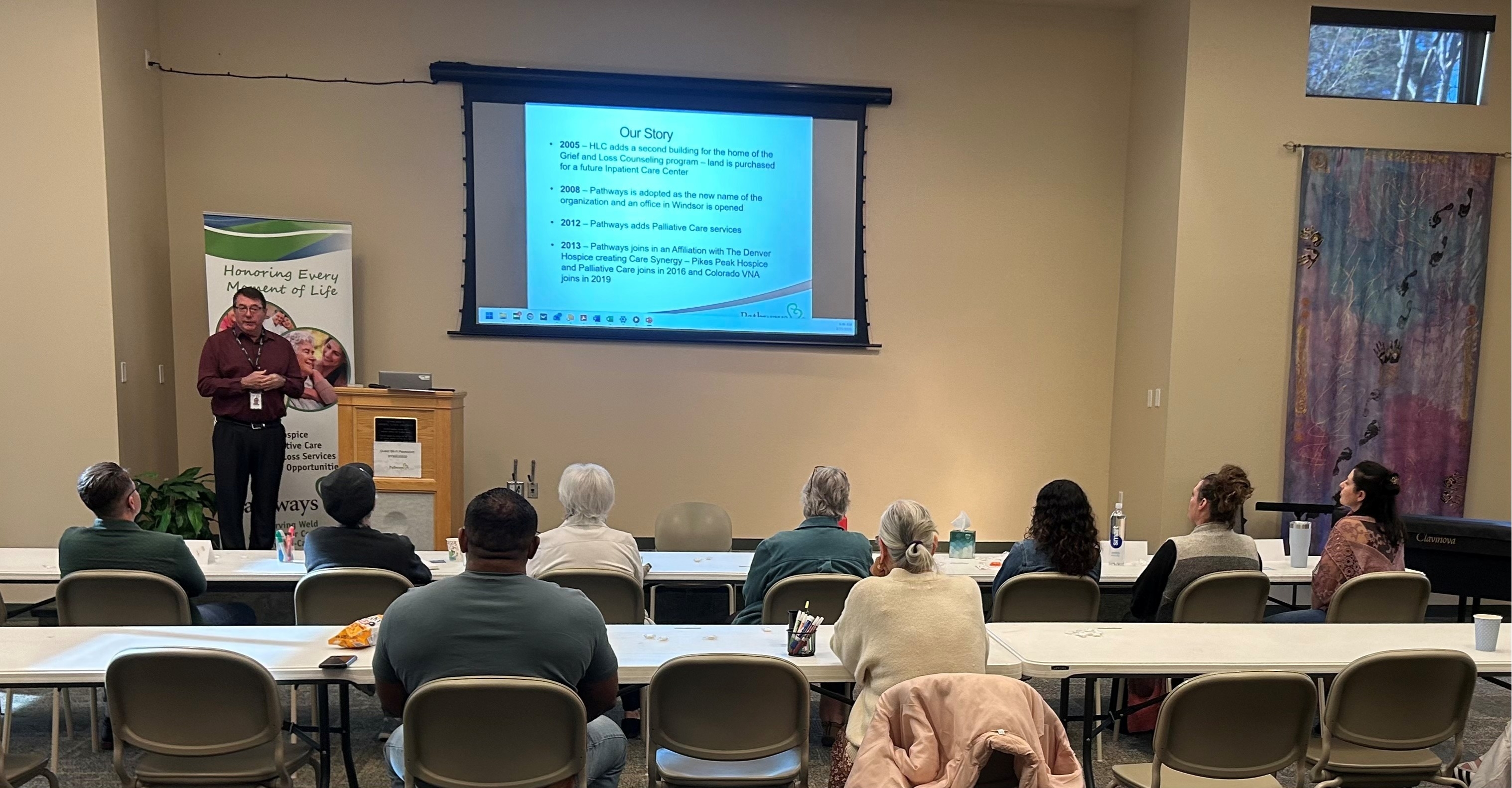
Volunteering in hospice care is deeply meaningful, but it also requires thoughtful preparation. Hospice volunteers often support people who are facing serious illness, loss, and major life transitions.
That is why Pathways provides a structured volunteer orientation and training program designed to help volunteers feel confident and supported.
During orientation, volunteers learn about:
What Hospice Volunteers Do
Hospice volunteers contribute in many ways depending on their interests, availability, and skills. Their support helps hospice teams focus on providing the highest level of clinical care while ensuring patients receive personal attention and connection.
Common hospice volunteer roles include:
Patient Companionship
Many volunteers spend time visiting with hospice patients. These visits may include conversation, reading aloud, listening to music, or simply providing a comforting presence.
Caregiver Support
Volunteers may provide short periods of respite so family caregivers can rest, run errands, or take care of other responsibilities.
Administrative and Office Support
Some volunteers assist hospice teams with administrative tasks that help programs run smoothly.
Community Outreach and Events
Volunteers may also help with community education, fundraising events, and awareness initiatives that support hospice programs.
Each role contributes to the overall mission of hospice care: supporting quality of life and dignity for patients and families.
The Impact of Hospice Volunteers on Patients and Families
Research and decades of hospice experience have shown that volunteers can have a powerful impact on patient well-being and family support.
For many patients, volunteers provide:
These connections are often deeply meaningful for both volunteers and the people they serve.
Hospice Volunteer Opportunities in Northern Colorado
Pathways welcomes volunteers from across Fort Collins, Loveland, Greeley, and surrounding Northern Colorado communities who want to give back in a meaningful way.
People choose to volunteer with hospice for many reasons, including:
Becoming a Hospice Volunteer
Becoming a hospice volunteer begins with orientation and training designed to prepare individuals for this unique and meaningful role.
Pathways works closely with volunteers to ensure they feel supported, informed, and ready to serve before they begin working with patients or families.
For those looking for a way to make a lasting difference in their community, hospice volunteering offers an opportunity to provide kindness, presence, and compassion when it matters most.
Learn more about volunteering with Pathways here: https://pathways-care.org/volunteer/
Go Back That is why Pathways provides a structured volunteer orientation and training program designed to help volunteers feel confident and supported.
During orientation, volunteers learn about:
- The philosophy and goals of hospice and palliative care
- How hospice volunteers support patients, caregivers, and care teams
- Communication skills for meaningful companionship visits
- Patient privacy and confidentiality requirements
- Boundaries and best practices when supporting families
- Emotional awareness and compassion in end-of-life care
What Hospice Volunteers Do
Hospice volunteers contribute in many ways depending on their interests, availability, and skills. Their support helps hospice teams focus on providing the highest level of clinical care while ensuring patients receive personal attention and connection.
Common hospice volunteer roles include:
Patient Companionship
Many volunteers spend time visiting with hospice patients. These visits may include conversation, reading aloud, listening to music, or simply providing a comforting presence.
Caregiver Support
Volunteers may provide short periods of respite so family caregivers can rest, run errands, or take care of other responsibilities.
Administrative and Office Support
Some volunteers assist hospice teams with administrative tasks that help programs run smoothly.
Community Outreach and Events
Volunteers may also help with community education, fundraising events, and awareness initiatives that support hospice programs.
Each role contributes to the overall mission of hospice care: supporting quality of life and dignity for patients and families.
The Impact of Hospice Volunteers on Patients and Families
Research and decades of hospice experience have shown that volunteers can have a powerful impact on patient well-being and family support.
For many patients, volunteers provide:
- Social connection and conversation
- Emotional comfort and reassurance
- A listening ear and compassionate presence
- Relief from loneliness or isolation
These connections are often deeply meaningful for both volunteers and the people they serve.
Hospice Volunteer Opportunities in Northern Colorado
Pathways welcomes volunteers from across Fort Collins, Loveland, Greeley, and surrounding Northern Colorado communities who want to give back in a meaningful way.
People choose to volunteer with hospice for many reasons, including:
- A desire to support people during end-of-life care
- Personal experiences with hospice care
- A commitment to serving their community
- Interest in healthcare, social work, or caregiving fields
Becoming a Hospice Volunteer
Becoming a hospice volunteer begins with orientation and training designed to prepare individuals for this unique and meaningful role.
Pathways works closely with volunteers to ensure they feel supported, informed, and ready to serve before they begin working with patients or families.
For those looking for a way to make a lasting difference in their community, hospice volunteering offers an opportunity to provide kindness, presence, and compassion when it matters most.
Learn more about volunteering with Pathways here: https://pathways-care.org/volunteer/